Blind Spots: Essential Tools and Resources
In an age where technology is advancing at breakneck speed, individuals who are visually impaired face new challenges that extend beyond traditional barriers. These so-called “blind spots” can range from inaccessible digital interfaces to physical environments not designed with their needs in mind.
The term “blind spot” often refers to areas or situations where people might overlook critical information or opportunities due to limitations in perception. For those living with visual impairments, these blind spots take on additional layers of complexity as they navigate both virtual and real-world landscapes.
Understanding Blind Spots in Visual Impairment
Visual impairment encompasses a wide spectrum, ranging from mild vision loss to complete blindness. This diversity means that what constitutes a “blind spot” varies significantly among individuals based on their level of sight retention and personal experience with visual aids such as glasses or implants.
A common misconception is that all visually impaired individuals have identical experiences regarding navigation and daily activities. However, differences in residual vision, mobility skills, and technological familiarity create distinct patterns of challenge and adaptation within the community.
To truly grasp how blind spots affect everyday life, consider scenarios involving public transportation systems, retail stores, or even social media platforms—each presents unique obstacles depending on individual capabilities and environmental design choices.
For example, while some may rely heavily on tactile cues found in well-marked pathways inside buildings, others might depend primarily on auditory signals provided by smartphone apps when navigating city streets.
- Variability in Experience: A person using low-vision devices will interact differently with digital content compared to someone relying solely on screen readers.
- Environmental Design: Architectural features like color contrast and lighting play crucial roles in making spaces accessible without compromising aesthetic appeal.
Tools That Help Navigate Blind Spots
Assistive technologies continue evolving rapidly, offering innovative solutions tailored specifically towards overcoming various types of blind spots faced by the visually impaired population today.
From AI-powered navigation apps that provide real-time updates about surroundings to smart home devices capable of voice control, there’s now greater emphasis than ever before on developing inclusive products that cater precisely to these unique requirements.
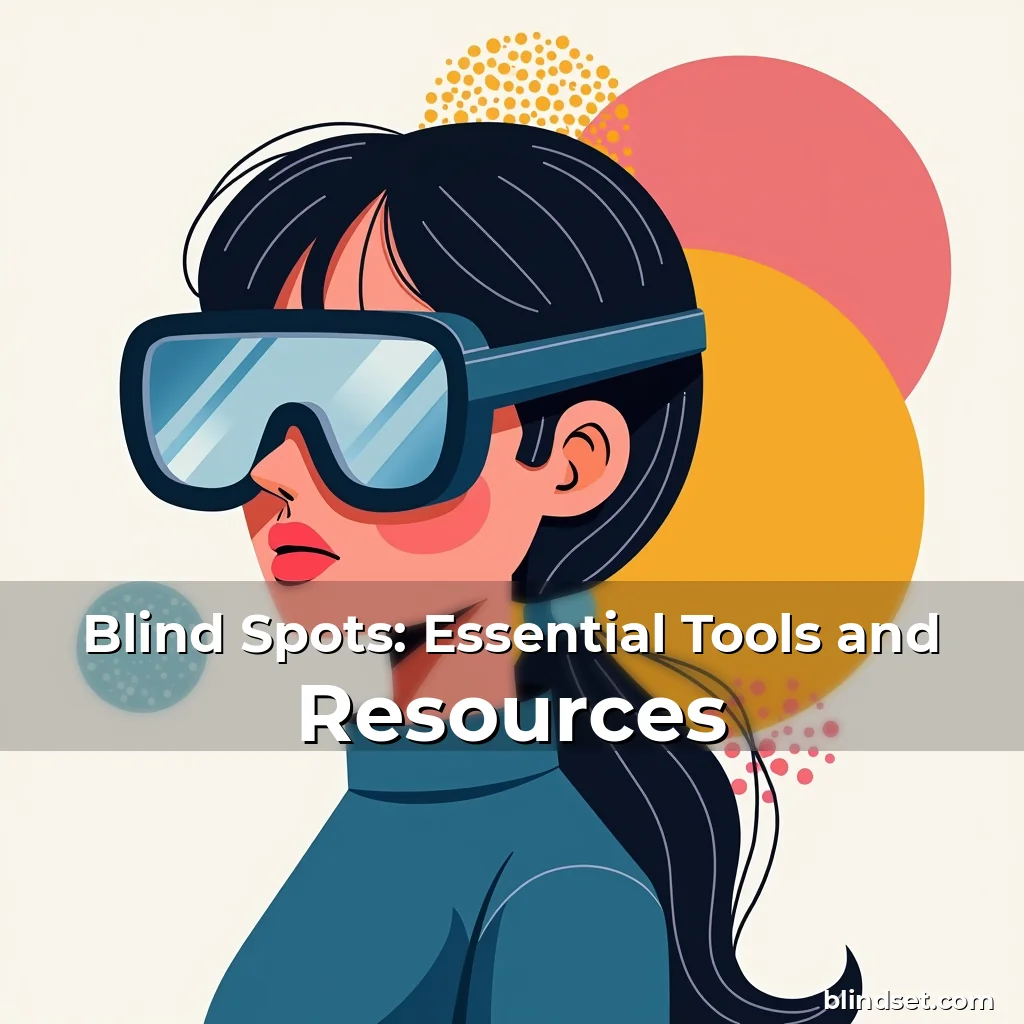
One notable advancement comes in the form of wearable tech; specialized eyewear equipped with cameras and sensors enables users to detect objects ahead through audio feedback or vibrations, effectively reducing potential hazards associated with unseen obstacles.
Additionally, mobile applications designed exclusively for visually impaired users offer functionalities such as object recognition via image processing algorithms which help identify items around them instantly—an invaluable feature during grocery shopping trips or meal preparation sessions.
Emerging Innovations in Assistive Technology
Recent studies highlight promising developments across several fields aimed at improving accessibility standards globally. Researchers at MIT recently unveiled prototypes featuring augmented reality lenses integrated directly into prescription glasses, allowing wearers enhanced awareness of their immediate environment through subtle sound alerts.
This kind of innovation underscores growing interest amongst developers and designers alike toward creating more intuitive interaction models that align closely with natural human behaviors rather than forcing adaptation onto end-users.
Moreover, collaborative projects between universities and private companies show increasing commitment towards standardizing usability guidelines ensuring consistent quality across different software platforms used frequently by members of this demographic group worldwide.
Such efforts signify progress being made toward bridging gaps caused by existing blind spots but also emphasize ongoing need for continuous evaluation since user needs evolve alongside technological advancements themselves.
Accessibility Standards & Legal Frameworks Supporting Visually Impaired Individuals
Laws governing accessibility have played pivotal role shaping modern infrastructure including websites, public facilities, and consumer goods available today. Compliance with regulations ensures basic rights related independence remain protected against discriminatory practices.
Legislation such as Americans With Disabilities Act (ADA) mandates reasonable accommodations wherever applicable—from employment settings down to recreational venues serving broader society at large.
However despite legal protections afforded under ADA, enforcement remains inconsistent leading many affected persons still encountering difficulties accessing services deemed essential components of independent living arrangements.
Critics argue current laws lack specificity concerning emerging technologies thereby leaving room for loopholes exploited by organizations unwilling fully commit resources necessary implement effective changes required make genuine difference lives impacted visually impaired communities everywhere.
- Compliance Challenges: Many businesses struggle understanding exact parameters outlined within legislation resulting suboptimal implementation strategies failing address actual needs experienced daily members target audience.
- Evolving Tech Landscape: As artificial intelligence becomes increasingly embedded within our day-to-day routines, updated policies reflecting latest trends become imperative lest outdated frameworks hinder further development beneficial everyone involved regardless ability status.
Community Support Networks Within The Blind Set Community
Building strong support networks plays vital part enabling successful integration within larger societal structures while simultaneously fostering sense belonging among fellow members facing similar circumstances.
Local chapters affiliated national organizations provide regular meetings facilitating exchange ideas regarding best practices adopted successfully elsewhere plus sharing firsthand accounts encountered particular regions countries visited previously.
These gatherings serve dual purpose acting source motivation inspiring attendees pursue goals set forth personally alongside educating participants about recent legislative updates affecting scope operations undertaken locally nationally internationally.
Participation encourages active engagement promoting empowerment helping redefine narratives surrounding disability shifting focus achievements made possible through collective effort rather limiting definitions imposed externally upon individuals identified merely based condition they live with permanently.
Fostering Inclusivity Through Shared Experiences
Shared experiences cultivated through participation events organized groups contribute immensely towards building resilient identities rooted self-worth dignity irrespective degree severity affliction suffered.
Workshops focused skill development enhance employability prospects opening doors opportunities otherwise unreachable due perceived limitations imposed unfairly outsiders lacking adequate knowledge true potential residing every single participant present event venue chosen hosting session taking place anytime anywhere.
Furthermore peer mentorship programs establish mentoring relationships pairing newcomers established professionals guiding them through transition phases adjusting expectations managing stressors inherent process adapting novel ways interacting world altered suddenly unexpectedly without warning signs beforehand.
Social cohesion strengthened bonds formed trust developed over time lays foundation robust support system capable weathering storms arise inevitably journey embracing identity defined primarily characteristics shared collectively rather isolated traits distinguishing individual apart rest humanity inhabiting same planet Earth together.
Education And Awareness Initiatives Targeting Blind Spot Reduction
Raising awareness about existence blind spots crucial first step initiating meaningful change impact long-term outcomes achieved efforts directed toward eliminating disparities persisting across various domains impacting daily functioning severely restricted individuals afflicted conditions described earlier herein.
Pioneering educational campaigns launched schools colleges universities aim sensitize students teachers staff importance designing inclusive curricula incorporating universal design principles right from inception stages project planning execution processes undertaken institutions responsible delivering academic instruction professionally efficiently accurately according prescribed standards upheld universally accepted benchmarks maintained consistently throughout globe.
Public health initiatives similarly prioritize dissemination information highlighting risks associated ignoring blind spots particularly pertinent sectors medicine healthcare emergency response services requiring precise location data accurate interpretation symptoms presented patients unable communicate verbally clearly due compromised senses relied upon traditionally conveying messages effectively reliably securely without ambiguity confusion arising misinterpretation conveyed signals received transmitted incorrectly misunderstood distorted altered unintentionally intentionally maliciously whatever case may arise.
Collaborative ventures between governmental bodies non-profit entities private sector enterprises demonstrate concerted push cultivating culture acceptance tolerance respect directed toward persons dealing issues stemming visual impairments affecting aspects lives touched indirectly directly affected conditions discussed thus far within document currently unfolding before eyes scanning text displayed here digitally rendered format intended convey message reaching widest possible audience globally.
Real-Life Success Stories Overcoming Blind Spots
Hearing stories of triumph from individuals who’ve navigated significant blind spots provides inspiration and practical insight into overcoming obstacles faced daily by members of the visually impaired community.
Taking a look at success stories reveals diverse approaches taken by individuals to adapt, innovate, and thrive despite challenges posed by their visual limitations.
One remarkable story involves Maria Lopez, a young entrepreneur who started her own online business after discovering she could leverage her keen hearing abilities combined with assistive software tools to manage inventory tracking, customer service communications, and financial management seamlessly.
Maria’s journey highlights how identifying alternative strengths and utilizing appropriate technologies can transform seemingly insurmountable challenges into opportunities for growth and achievement.
Similarly, John Thompson, an avid traveler, uses advanced GPS navigation systems paired with his cane to explore unfamiliar cities safely. His adventures showcase the power of combining traditional methods with cutting-edge technology to expand horizons beyond conventional boundaries.
John’s experiences illustrate that while physical limitations exist, creative problem-solving and access to reliable tools enable exploration and discovery without restriction.
Both Maria and John exemplify resilience and determination in turning personal challenges into stepping stones for success, proving that with the right mindset and resources, blind spots do not define one’s capabilities or aspirations.
Stories like theirs encourage others to embrace their unique perspectives and find innovative solutions tailored to their individual needs, reinforcing the idea that limitation does not equate to inability.
By celebrating these successes publicly, we foster a supportive environment that empowers more people to confront their own blind spots head-on, knowing they are not alone in their struggles and that possibilities abound for those willing to seek out the right assistance and guidance.
Future Prospects For Mitigating Blind Spots
Looking ahead, the future holds immense promise for mitigating blind spots through continued research, policy reform, and community-driven initiatives aimed at enhancing accessibility for all.
Advancements in artificial intelligence, machine learning, and biotechnology are paving the way for smarter, more adaptive solutions that can dynamically respond to changing environments and user needs.
Researchers are exploring neural interface technologies that could potentially restore lost vision or augment remaining sensory input, revolutionizing how individuals perceive and interact with the world around them.
Simultaneously, policymakers are working diligently to update existing legislation and introduce new measures that ensure compliance with contemporary accessibility standards, addressing gaps left behind by rapid technological evolution.
As global connectivity increases, international collaborations are becoming more frequent, pooling expertise and resources to tackle complex issues affecting millions of visually impaired individuals worldwide.
These efforts underscore a collective commitment to inclusivity, emphasizing that the goal isn’t merely to accommodate disabilities but to proactively integrate individuals into every facet of society, ensuring equal opportunity and participation for all.
With sustained investment in education, advocacy, and innovation, the trajectory suggests a future where blind spots are minimized, and individuals with visual impairments lead fulfilling, independent lives without compromise or limitation.
Ultimately, the path forward requires unwavering dedication from governments, corporations, educators, and citizens alike to uphold the principle that accessibility is not a privilege but a fundamental right deserving of protection and promotion at all levels of society.
Conclusion
Navigating the landscape of visual impairment necessitates a multifaceted approach encompassing technological innovation, legal safeguards, community support, and heightened awareness.
By leveraging the array of tools, resources, and networks available, individuals within the visually impaired community can overcome the myriad challenges posed by blind spots in their daily lives.
Continued advancements in assistive technology, coupled with progressive policies and inclusive design practices, pave the way for a more equitable and accessible world for all.
Empowerment through education, collaboration, and shared experiences fosters resilience and independence, transforming limitations into catalysts for creativity and success.
Together, these elements forge a pathway toward a future where blind spots are no longer barriers but stepping stones for growth, inclusion, and mutual understanding.
It is through collective action and persistent advocacy that we can ensure the rights and dignities of all individuals, regardless of their visual capabilities, are upheld and celebrated in every aspect of life.

news is a contributor at BlindSet. We are committed to providing well-researched, accurate, and valuable content to our readers.