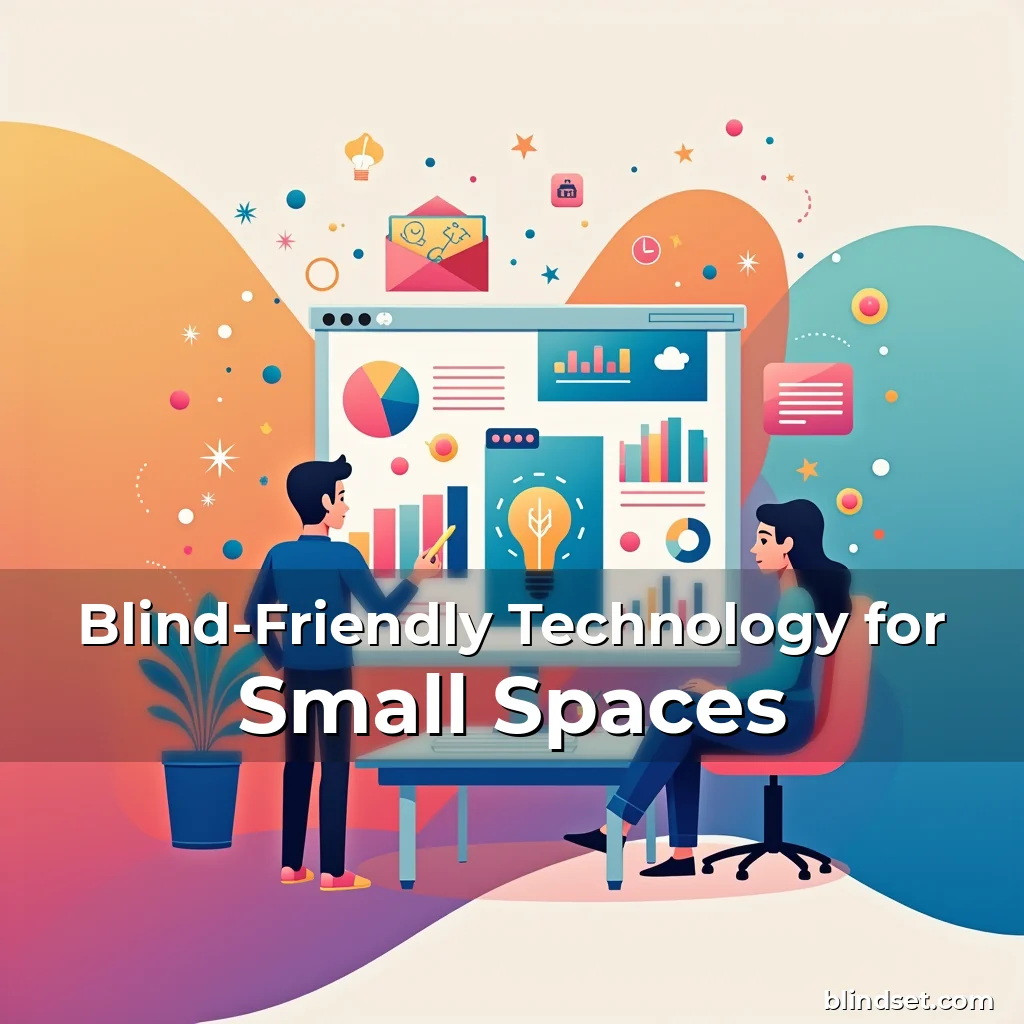
Blind-Friendly Technology for Small Spaces
In an era where digital innovation is reshaping daily life, blind-friendly technology has emerged as a vital tool for enhancing independence and accessibility for individuals who are visually impaired. From voice assistants to tactile interfaces, these advancements cater specifically to the needs of those navigating small spaces such as homes, offices, and public areas. This guide explores how modern solutions empower users through intuitive design and seamless integration.
The significance of tailored technology cannot be overstated when considering environments that require precise spatial awareness and navigation skills. Blind-friendly tools not only provide assistance but also foster confidence by reducing reliance on sight-dependent features. Understanding which technologies best suit different living conditions can transform everyday experiences into empowering journeys of self-sufficiency.
The Evolution of Accessibility Tools
Accessibility technology has undergone remarkable transformations over recent decades, evolving from basic Braille devices to sophisticated AI-driven systems. Early innovations focused primarily on tactile feedback mechanisms, while contemporary approaches leverage artificial intelligence and machine learning algorithms to offer personalized support. These developments have redefined what is possible within compact settings like apartments and dormitories.
A pivotal shift occurred with the introduction of screen reader software that could interpret visual data into auditory cues. Initially limited to computers, these programs now operate across various platforms including smartphones and tablets. Their ability to adapt dynamically makes them indispensable in both personal and professional contexts confined to smaller physical footprints.
- Screen Readers: Software applications that convert text into speech or braille output, enabling access to digital information through audio or tactile means.
- Tactile Interfaces: Devices designed with raised patterns or textures that convey information without requiring visual perception, often used alongside traditional touchscreens.
Smartphones as Empowerment Platforms
Modern smartphones serve as multifunctional hubs integrating numerous assistive features aimed at supporting individuals with visual impairments. With built-in accessibility options ranging from high contrast modes to gesture-based controls, these devices enable users to perform tasks efficiently even in tightly packed living situations. The portability factor further enhances their utility in cramped workspaces and shared accommodations.
Advanced features like VoiceOver on iOS and TalkBack on Android allow seamless interaction with apps and websites using spoken feedback. Users benefit from hands-free navigation capabilities that reduce dependency on manual input methods commonly hindered by space constraints. These technologies make mobile computing more inclusive regardless of available square footage.
Additionally, smartphone accessories play crucial roles in amplifying usability. Bluetooth-enabled braille displays connect wirelessly to phones, providing instant text translation via vibrations. Smartwatches equipped with haptic alerts notify users about incoming calls or messages discreetly amidst busy urban environments.
Navigation Aids in Confined Areas
Navigating narrow corridors or cluttered rooms presents unique challenges for visually impaired individuals relying on technological aids. Specialized navigation systems combine GPS tracking with ultrasonic sensors to
Educational resources could mention online courses and community forums. Fitness tracking innovations should talk about wearables and haptic feedback. Social connectivity solutions may include video calling and messaging apps. Public transportation technologies need real-time data apps and bus stop announcements.
Empowering Independence: Innovations in Blind-Friendly Technology for Compact Living
As urban populations grow denser and living spaces shrink, the need for blind-friendly technology has never been more pressing. Visually impaired individuals face unique challenges in navigating small apartments, shared offices, and crowded public areas, where spatial awareness is critical. Fortunately, advances in digital accessibility are transforming how people interact with their environments, offering tools that prioritize simplicity, efficiency, and inclusivity.
Technology today goes far beyond traditional Braille displays and screen readers. Modern solutions integrate artificial intelligence, sensory substitution, and intuitive design to meet the needs of individuals living in compact quarters. Whether it’s voice-activated assistants or haptic feedback systems, these innovations aim to dissolve barriers imposed by limited space and ensure full participation in daily life.
The Evolution of Accessibility Tools
The journey of blind-friendly technology began centuries ago with tactile systems like Braille, developed in the 19th century by Louis Braille. These early tools allowed visually impaired individuals to read by feeling raised dots on paper, laying the foundation for future innovations. However, as societies moved toward digital communication, the demand for updated solutions grew exponentially, prompting engineers and designers to reimagine accessibility for a fast-paced, connected world.
By the late 20th century, screen readers like JAWS (Job Access With Speech) emerged, converting computer text into speech or Braille output. While groundbreaking, these early systems were limited by slow processing speeds and lack of cross-platform compatibility. Today, screen readers like NVDA (NonVisual Desktop Access) run smoothly on Windows, macOS, and Linux, demonstrating how far the field has come in serving diverse needs within confined environments.
- Braille Displays: Portable devices with tactile keys that translate digital text into raised characters, ideal for reading emails, documents, or books in quiet, private settings.
- Speech Recognition Software: Programs like Dragon NaturallySpeaking allow users to dictate text or control computers with their voices, bypassing the need for physical keyboards or mice.
Smartphones as Empowerment Platforms
Modern smartphones have become essential companions for the blind, consolidating countless accessibility features into a single device. Built-in tools like VoiceOver on iPhones and TalkBack on Android phones convert touchscreen gestures and app content into spoken feedback, enabling seamless navigation through apps, websites, and phone menus. These systems recognize taps, swipes, and even button presses, turning a smartphone into a powerful assistant for managing daily tasks.
One standout feature of smartphones is their ability to integrate with other assistive technologies. Bluetooth-connected Braille displays sync with phones to provide real-time text translation, while apps like Be My Eyes connect users with sighted volunteers for visual assistance via video call. These partnerships amplify the reach of blind-friendly tools, making them indispensable in both personal and professional spheres.
Additionally, customizable settings on smartphones allow users to fine-tune their experience. High-contrast themes, larger font sizes, and sound alerts for notifications cater to varying degrees of vision impairment. Even in small spaces like dorm rooms or office cubicles, these adjustments ensure technology adapts to the user, rather than the other way around.
Navigation Aids in Confined Areas
Navigating tight hallways, crowded buses, or dimly lit staircases poses significant risks for visually impaired individuals. Traditional white canes, while effective, offer minimal warning of unseen obstacles. Enter modern navigation aids that blend acoustic, tactile, and visual cues to
Moreover, peer-to-peer mentoring platforms connect novice users with experts willing to share their knowledge. These relationships build confidence and reduce isolation, reminding users that they are not alone in their journey. Whether mastering a new app or overcoming fears of technology, the right support makes all the difference.
Fitness Tracking Innovations
Physical health is integral to mental well-being, yet small spaces often limit opportunities for exercise. Wearable fitness trackers like Fitbit and Apple Watch offer guided workouts through voice-assisted apps, ensuring that users stay active without needing to see a screen. Haptic feedback from these devices reinforces form corrections, helping prevent injuries caused by improper technique.
Some advanced trackers incorporate heart rate variability (HRV) analysis to recommend rest days when fatigue is detected. This is particularly helpful for individuals who may struggle to gauge their own exertion levels. Others use GPS to map running routes or cycling paths, giving users confidence that they won’t veer off course in unfamiliar terrain.
For strength training enthusiasts, resistance bands with embedded sensors can provide verbal confirmation when exercises are performed correctly. Smart mirrors equipped with AI analyze posture in real time, offering corrections through speakers or vibrating belts. These tools turn any compact area—from a bedroom to a balcony—into a personalized gym.
Social Connectivity Solutions
Staying socially connected is crucial for emotional health, but traditional texting and video calls can be challenging for the blind. Messaging apps like Telegram and WhatsApp now support voice-to-text transcription, allowing users to send and receive messages without typing. Predictive text features speed up communication, reducing frustration caused by repeated keystrokes.
Video conferencing platforms have evolved to accommodate accessibility needs. Zoom offers closed captions generated by AI or live interpreters, while Microsoft Teams provides real-time translations for multilingual discussions. These features ensure that visually impaired users can join group chats, webinars, or family gatherings confidently and comfortably.
Social media platforms like Twitter and Instagram also embrace accessibility. Screen readers announce hashtags, mentions, and image alt texts, letting users engage with posts without seeing

news is a contributor at BlindSet. We are committed to providing well-researched, accurate, and valuable content to our readers.