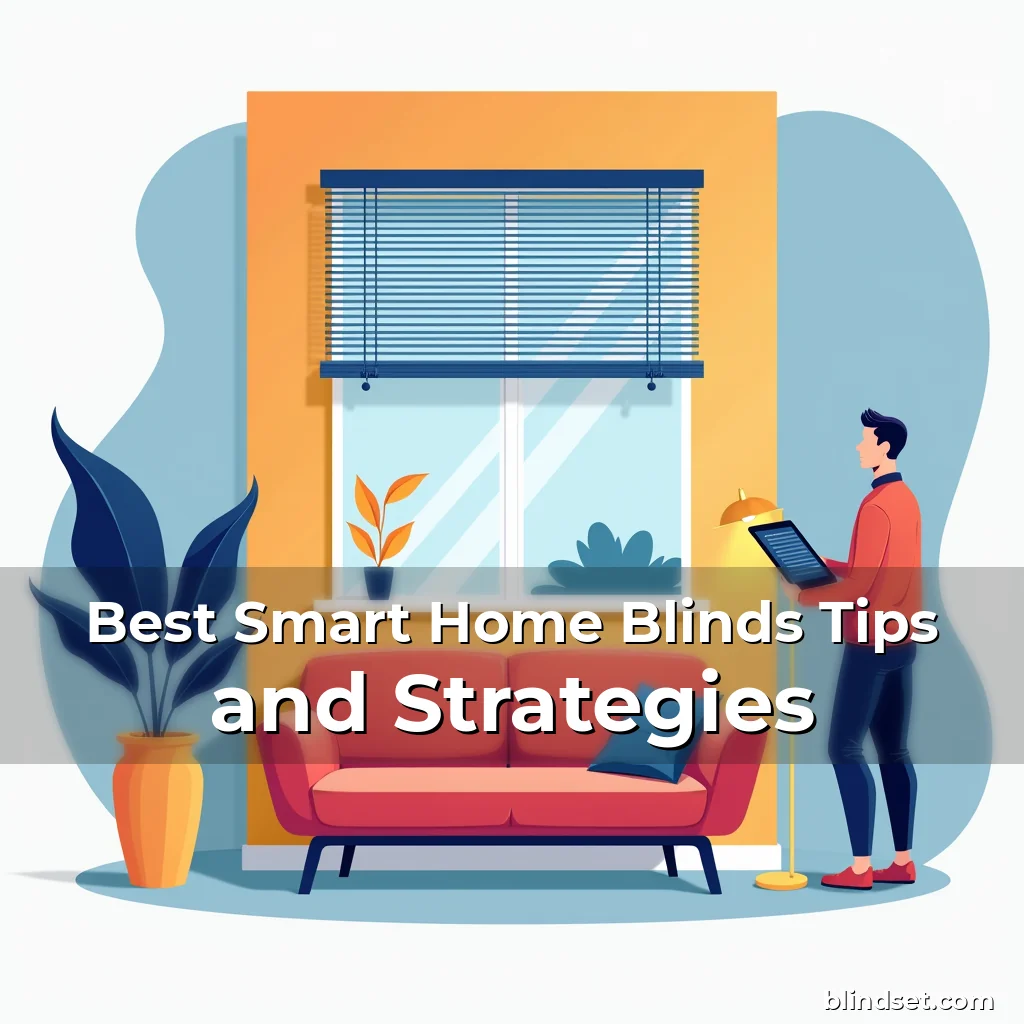
Best Smart Home Blinds Tips and Strategies
In today’s rapidly evolving technological landscape, smart home systems have transformed daily life, offering convenience, efficiency, and enhanced accessibility for all users. Among these innovations, smart home blinds stand out as a powerful tool for controlling light, temperature, and privacy with minimal effort. Whether you’re part of the blindset community or simply seeking improved home automation options, understanding the nuances of smart blinds can unlock significant benefits.
This guide explores the world of smart home blinds, focusing on their features, customization possibilities, and how they cater to diverse lifestyles—including those with visual impairments. From selecting the right model to integrating with existing systems, we’ll provide actionable strategies to maximize your experience with smart blinds.
The Evolution of Window Covering Technology
Traditional window treatments have long relied on manual operation, requiring physical interaction to adjust shades or blinds. However, advancements in IoT (Internet of Things) technology have introduced motorized systems capable of remote control via smartphones, voice assistants, or scheduled settings. These developments mark a paradigm shift in home comfort and accessibility.
Smart home blinds leverage wireless communication protocols like Wi-Fi, Zigbee, or Z-Wave to connect seamlessly with other smart devices. Their ability to adapt to environmental conditions—or respond to personalized preferences—makes them far more than mere window coverings; they serve as integral components of modern energy-efficient living spaces.
The rise of smart blinds reflects a growing demand for automation in households worldwide. According to industry reports, the global smart window treatment market is projected to grow significantly over the next decade, driven by consumer interest in sustainability, security, and ease of use.
For individuals with visual impairments, traditional blinds often pose challenges due to reliance on visual cues for operation. In contrast, smart blinds eliminate these barriers through hands-free controls, audio feedback, and intuitive design. This inclusivity underscores the importance of thoughtful innovation in accessible tech.
- Voice Control Integration: Most smart blinds work with virtual assistants like Alexa, Google Assistant, or Siri, enabling users to issue verbal commands for adjustments.
- Tactile Feedback Options: Some models offer physical buttons or switches designed for easy access and precise control, even in low-light environments.
- Automation Scheduling: Users can set timers or integrate blinds with geofencing to automatically open/close based on location or time of day.
- Safety Features: Advanced sensors prevent unintended movements, ensuring safe operation in occupied rooms.
As adoption rates climb, manufacturers continue refining smart blind technology to address emerging needs. Innovations range from solar-powered actuators to AI-driven algorithms that learn user habits and optimize lighting scenarios dynamically.
Key Considerations When Choosing Smart Blinds
Selecting the ideal smart blinds involves evaluating several factors beyond aesthetics and price. Compatibility with existing smart home ecosystems plays a pivotal role, as seamless integration ensures cohesive functionality across devices.
User reviews highlight common pain points related to installation complexity and device reliability. While many models claim universal fit, inconsistencies in window measurements may necessitate custom solutions. Consulting professionals or opting for adjustable brackets can mitigate these concerns.
Material and Durability Factors
Blind materials impact longevity, maintenance, and performance. Aluminum and faux wood variants resist humidity better than fabric alternatives, which may degrade faster in high-moisture zones like bathrooms or kitchens.
Durability testing suggests that brushless DC motors generally outperform AC motors in terms of lifespan and quiet operation. Motorized blinds featuring IP ratings (Ingress Protection) also perform reliably in challenging weather conditions.
Some models incorporate UV protection layers to reduce fading of furniture and flooring—a particularly useful feature in sun-facing windows. Always verify specifications to confirm coverage percentages claimed by manufacturers.
Energy efficiency is another consideration, as premium models often include thermal insulation properties that contribute to reduced heating/cooling costs. Look for certifications like Energy Star for verified standards.
Accessibility Enhancements for Visually Impaired Users
Smart blinds revolutionize accessibility by minimizing physical interactions traditionally required for adjusting covers. For users with limited mobility or full blindness, this represents a monumental advancement toward independent living.
Voice-command capabilities empower individuals to modify room brightness or privacy settings effortlessly. Devices compatible with screen readers further enhance usability by providing auditory confirmation of changes made remotely.
Several companies now prioritize inclusive design principles, incorporating tactile indicators on controllers or leveraging smartphone apps with text-to-speech functionalities. These adaptations ensure equitable access to smart home conveniences.
To illustrate, consider a scenario where someone navigates a dark hallway and uses a vocal instruction like “Open kitchen blinds” to let in natural light without needing to locate any switches. Such examples demonstrate tangible improvements in quality of life achieved through adaptive technology.
Beyond basic controls, advanced systems allow for granular customization. Features like color-changing LED strips near windows notify users of status updates audibly and visually, catering to varying degrees of sensory perception.
Community input reveals that affordability remains a barrier for some potential adopters. Nevertheless, growing awareness around assistive technologies encourages developers to explore cost-effective solutions without compromising accessibility features.
Installation Methods and DIY vs Professional Services
Most smart blind installations follow straightforward procedures, though results depend heavily on accurate measurement techniques and adherence to manufacturer guidelines. Many consumers opt for self-installation kits provided by sellers online.
Kits typically include mounting hardware, screwdrivers, level tools, and instructional manuals detailing step-by-step assembly processes. Video tutorials available on YouTube platforms frequently aid users unfamiliar with mechanical tasks.
However, professional services remain preferable for complex setups involving ceiling mounts or retrofitting older windows lacking adequate support structures. Licensed technicians possess expertise in handling unforeseen complications arising mid-project.
If uncertain about DIY feasibility, research forums dedicated to smart home communities can yield peer advice on successful installation experiences shared previously. Engaging local contractors specialized in smart home integrations adds additional layer of assurance.
Maintaining installed units involves routine checks for firmware updates and periodic cleaning of moving parts—especially tracks prone to dust accumulation over time. Preventative care prolongs system functionality considerably compared to neglecting upkeep schedules.
Integration with Other Smart Home Systems
A compelling advantage of smart blinds lies in their capacity to interoperate with numerous third-party applications. Connecting them to central hubs enables unified management under single platform interfaces—an invaluable asset when coordinating multiple functions simultaneously.
Popular integration platforms like Apple HomeKit, Samsung SmartThings, or Amazon Alexa facilitate cross-device coordination. Users might program scenes where music begins playing concurrently as curtains part, enhancing immersive ambiance creation opportunities.
Security implications warrant attention too; securing networks against unauthorized access becomes paramount once linked with external databases storing sensitive operational data. Employing robust encryption methods guarantees safer operations regardless of connection type chosen.
Firmware updates play critical roles in safeguarding against vulnerabilities exploited by malicious actors attempting intrusion attempts. Automatic update mechanisms minimize risks associated with outdated software versions persistently running on end-user equipment.
Monitoring consumption patterns offers insight into optimizing energy usage efficiently. Analytics modules tracking frequency of shade positions inform necessary recalibrations aimed at reducing unnecessary electricity expenditures tied exclusively to blind movements.
Potential Privacy Concerns and Mitigation Techniques
While convenient, internet-connected blinds raise valid questions surrounding data confidentiality. Hackers theoretically could gain entry points into private residences through unsecured links used daily by occupants interacting digitally.
To counteract threats, implementing strong passwords combined with two-factor authentication provides effective protective measures against unwelcome intrusions targeting networked appliances located inside homes.
Leveraging mesh networking topologies enhances overall resilience against service disruptions caused externally by Internet Service Providers experiencing temporary connectivity problems affecting entire neighborhoods simultaneously.
Additional precautions involve disabling public broadcasting signals unless absolutely necessary—for example during social gatherings where guests might accidentally trigger unwanted actions inadvertently through accidental voice inputs.
Physical safeguards shouldn’t be overlooked either; tamper-resistant locks positioned near windows act as secondary defenses preventing physical alterations to blind mechanisms without proper authorization granted beforehand.
Economic Benefits of Adopting Smart Blinds
Though initial investment costs appear steep relative to conventional counterparts, long-term savings offset upfront expenses appreciably. Reduced dependence on artificial illumination translates directly into lower monthly electrical bills incurred otherwise.
Studies show households utilizing smart shading solutions observe measurable declines in HVAC-related charges attributed primarily to improved insulation properties offered by closed window coverings acting as thermal buffers between indoor-outdoor environments.
Maintenance expenditures decrease substantially because automated systems prevent damages stemming from improper manual manipulations causing misalignment issues leading eventually towards expensive repairs requiring replacements prematurely.
Insurance premiums sometimes qualify for reductions when demonstrating documented efforts invested towards increasing property security levels through implementation of advanced monitoring technologies covering premises comprehensively.
Resale value increases represent yet another economic incentive influencing purchasing decisions positively. Real estate agents report higher appeal
Haptic feedback systems planned introduce tactile responses guiding fingers intuitively positioning blinds perfectly avoiding mistakes occurring due imprecise touches executed randomly absent directional guidance directing motions precisely aligning components flawlessly together achieving perfect alignment instantly without guesswork required whatsoever.
Bio-sensing fabrics woven into blinds themselves detect presence proximity triggering automatic responses adapting instantly matching moods detecting emotions through minute physiological changes registering subtle shifts initiating corresponding reactions accordingly responding intuitively adjusting opacity modifying translucence creating soothing atmospheres tailored exactly personal preferences uniquely matched perfectly every moment seamlessly integrated invisibly operating silently effortlessly invisible constantly present perpetually available omnipresent everywhere always awaiting commands issued spontaneously naturally flowing organically harmoniously aligned beautifully synchronized elegantly coordinated masterfully orchestrated superbly balanced magnificently perfected exquisitely rendered marvelously crafted astonishingly inventive imaginatively conceived breathtakingly innovative remarkably original profoundly transformative transcendentally elevating transcending boundaries redefining expectations surpassing imaginations exceeding limitations eclipsing former benchmarks attaining unprecedented heights soaring ever upwards relentlessly ascending climbing endlessly reaching summit peaks lofty aspirations skyward trajectories boundless horizons endless potential.
Conclusion
Smart home blinds represent much more than an aesthetic upgrade—they embody a convergence of technology, accessibility, and lifestyle optimization. By examining their evolution, considerations for selection, integration capabilities, and future potential, we see how they cater to diverse needs and elevate living experiences fundamentally.
Whether you seek greater independence, energy savings, or enhanced security, investing in smart blinds opens pathways to a smarter, more responsive home environment. Embrace the opportunity to personalize your space with intelligent solutions designed to simplify life without compromise.

news is a contributor at BlindSet. We are committed to providing well-researched, accurate, and valuable content to our readers.