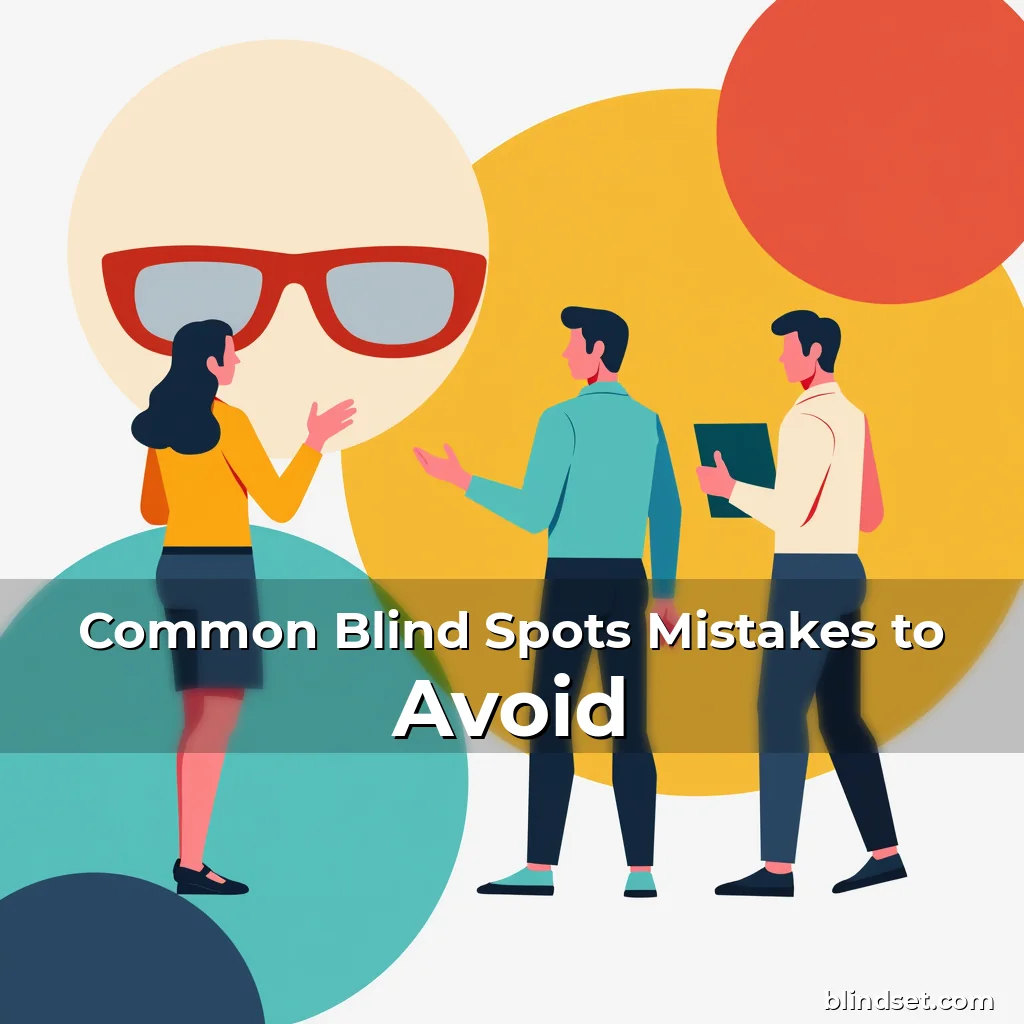
Common Blind Spots Mistakes to Avoid
In our daily lives, we often encounter situations where certain aspects remain unseen or misunderstood despite their significance. This phenomenon is commonly referred to as having ‘blind spots.’ Understanding these hidden areas can lead to better decision-making and improved awareness.
Blind spots are crucial to recognize because they affect various facets of life, from personal relationships to professional environments. Identifying them allows individuals to grow and adapt effectively in different contexts.
The Nature of Blind Spots
A blind spot refers to an area that remains unnoticed due to physical limitations or cognitive biases. These gaps in perception can significantly influence how we interpret information around us.
Physical blind spots occur when there’s an obstruction blocking vision, such as an object in front of the eyes. Cognitive blind spots stem from mental processes that filter out information we deem irrelevant or uncomfortable to process.
- Visual obstructions: Examples include objects like cars, trees, or even parts of your own body that block your line of sight.
- Cognitive filters: These involve subconscious biases that prevent us from acknowledging facts that contradict existing beliefs or values.
Recognizing Your Own Blind Spots
Identifying personal blind spots requires self-awareness and reflection. It involves examining patterns in behavior and thought processes that might be limiting growth opportunities.
One effective method is seeking feedback from trusted friends or colleagues who may notice things you overlook. Their perspectives can highlight areas needing attention.
Maintaining a journal to track thoughts and decisions helps identify recurring themes or assumptions that could represent potential blind spots.
The Impact of Unaddressed Blind Spots
Unacknowledged blind spots can lead to poor judgment calls and strained interpersonal relations. They create barriers between people by fostering misunderstandings based on incomplete knowledge.
Professionally, failing to address blind spots may result in missed strategic opportunities or ineffective leadership styles that hinder team performance and morale.
Emotionally, persistent blind spots contribute to stress and anxiety stemming from unresolved conflicts or unmet expectations within personal relationships.
Tips for Overcoming Common Blind Spots
To mitigate common blind spots, start by actively questioning your assumptions during routine tasks or interactions. Challenge yourself to consider alternative viewpoints regularly.
Diversify sources of information intake; relying solely on familiar channels limits exposure to new ideas that challenge established norms or beliefs.
Engaging in mindfulness practices enhances present-moment awareness which facilitates quicker identification of emerging issues before they escalate into significant problems.
Case Studies Demonstrating Effective Blind Spot Management
Several organizations have successfully navigated through challenges by implementing structured approaches aimed at identifying and addressing organizational blind spots.
For instance, companies utilizing anonymous employee surveys help uncover workplace dynamics that managers might otherwise miss. Such initiatives promote open communication and transparency across all levels.
Healthcare institutions employ peer review systems among medical professionals to ensure patient safety standards aren’t compromised by individual oversight errors related to treatment protocols.
Technological Innovations Aiding Blind Spot Detection
Advancements in technology offer innovative solutions designed specifically for detecting both visual and cognitive blind spots efficiently.
Smart devices equipped with sensors now provide real-time alerts regarding nearby obstacles while driving vehicles, thus reducing accident risks associated with physical blind spots.
Apps focused on enhancing emotional intelligence assist users in recognizing subtle cues indicating others’ feelings or intentions, thereby improving social interactions.
Educational Approaches to Addressing Blind Spots
Integrating lessons about human cognition into educational curricula equips students with tools necessary for understanding themselves and others more deeply.
Schools incorporating critical thinking exercises encourage learners to analyze diverse viewpoints critically without prejudice, promoting intellectual flexibility essential for navigating complex modern societies.
Workshops dedicated towards developing empathy skills benefit participants immensely by teaching them how best respond appropriately under varying circumstances involving differing opinions or backgrounds.
Conclusion
Understanding and managing blind spots plays a vital role in achieving success personally and professionally. By being conscious of what lies beyond immediate visibility—whether literal or metaphorical—we empower ourselves toward continuous improvement.
Actively pursuing methods aimed at exposing and correcting personal blind spots leads ultimately to enhanced clarity of purpose along with stronger connections built upon mutual respect and genuine comprehension.

news is a contributor at BlindSet. We are committed to providing well-researched, accurate, and valuable content to our readers.