The Ultimate Guide to Window Blinds for Compact Living Spaces
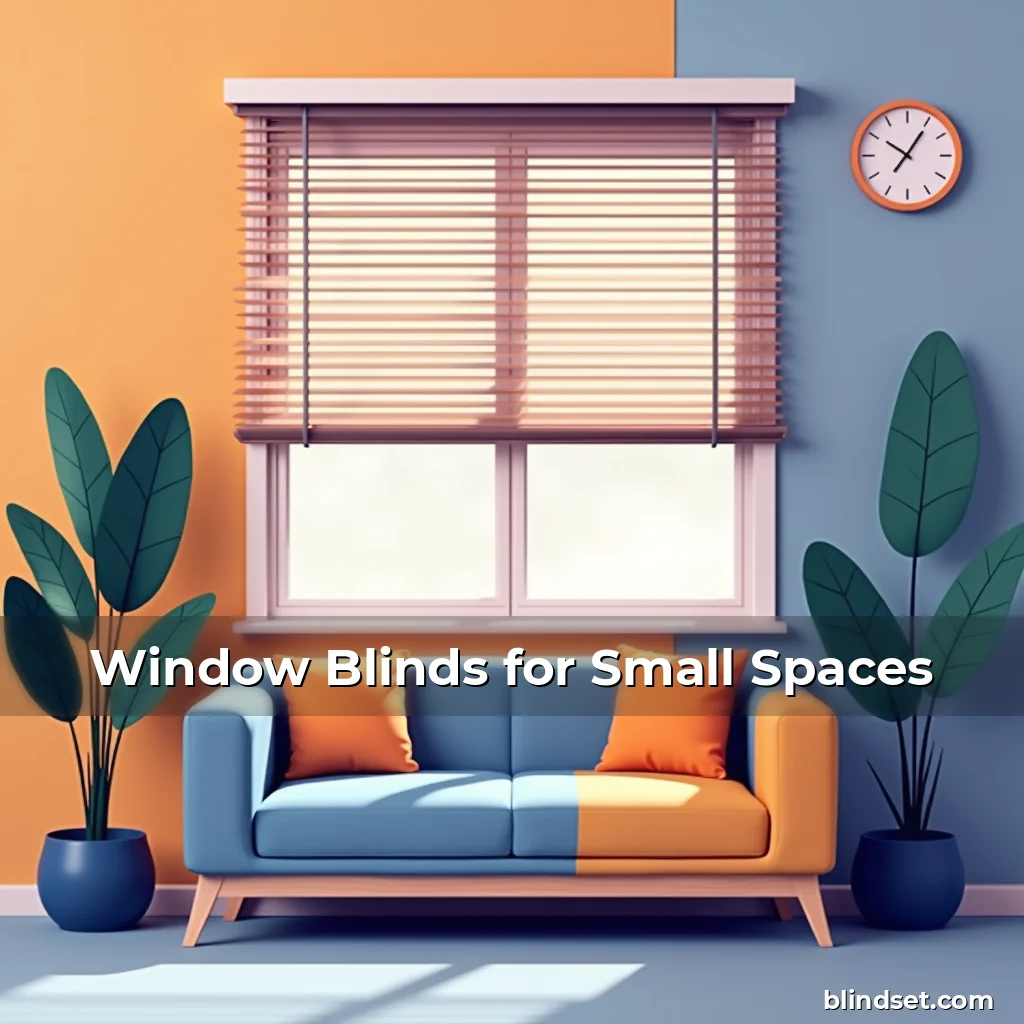
In today’s urban environments where square footage is often at a premium, window blinds have evolved far beyond their traditional role as mere light blockers. For residents of apartments, studio condos, and other small living spaces, selecting the right window covering can dramatically impact both functionality and aesthetics.
This guide explores innovative solutions specifically designed for compact dwellings while maintaining comfort, privacy, and style without sacrificing precious space. Whether you’re looking to maximize natural light or create distinct zones within your limited area, there are numerous options tailored precisely for these needs.
Understanding Space-Saving Blind Solutions
Modern blind designs incorporate ingenious features that make them ideal candidates for cramped quarters. These innovations range from ultra-thin materials to folding mechanisms that reduce physical footprint when not in use.
For instance, cellular shades utilize honeycomb structures to provide insulation benefits while occupying minimal depth between the window frame and room. This dual functionality makes them particularly appealing for individuals seeking energy efficiency alongside space optimization.
Certain models feature retractable cords tucked neatly behind panels, eliminating visual clutter typically associated with traditional blinds. Such design elements contribute significantly to maintaining an open feel even in tightly packed interiors.
Some manufacturers offer custom-cut blinds that fit perfectly into irregularly shaped windows found frequently in older buildings or converted lofts. This precision ensures optimal coverage without unnecessary bulk.
- Foldable roller shades: These allow complete retraction along the wall, effectively disappearing when not needed
- Tensioned pleated shades: Require no brackets or hardware which frees up mounting space
- Mini-blind alternatives: Offer similar appearance but occupy less vertical clearance than standard mini-blinds
Material Innovations Enhancing Functionality
New material developments have led to lightweight yet durable blind constructions suitable for small areas. Fabrics such as microfiber and synthetic blends combine strength with flexibility required by frequent adjustments typical in confined spaces.
Solar reflective films applied to sheer fabrics help control glare without obstructing views—a crucial advantage for those wanting to maintain connection with outdoors despite limited interior volume.
Thermally insulated materials now come in thinner profiles compared to previous generations. This advancement allows homeowners to retain temperature regulation properties without increasing their window coverings’ dimensions.
Metallic components used in operating systems have been redesigned to be lighter weight, reducing overall mass and making operation easier in tight spaces where leverage might otherwise be challenging.
Smart Technology Integration
Intelligent home systems have begun incorporating window blinds as part of automated environments. This integration offers convenience through voice activation or scheduled movements that adapt to daily routines.
Motorized blinds can automatically adjust based on time-of-day settings or ambient light levels detected by sensors. These capabilities eliminate manual intervention during busy mornings or late evenings.
Precision engineering enables these smart devices to operate smoothly even in restricted locations where conventional mechanisms might struggle due to spatial limitations.
Safety features include automatic stop functions that prevent overextension—an especially useful consideration in narrow pathways near windows.
Design Considerations for Aesthetic Appeal
Elegant window treatments don’t require expansive real estate to make an impression. Contemporary color palettes and textures allow creative expression even within constrained environments.
Selecting neutral tones can enhance perceived spaciousness by creating continuity across different rooms. This effect is particularly beneficial in open-concept layouts common among smaller homes.
Patterns and embellishments need careful selection to avoid overcrowding visual elements within limited areas. Subtle gradients or geometric shapes may prove more effective than bold motifs.
Translucent sheers introduce soft illumination patterns that add dimension without consuming floor space. They also permit natural lighting flow while preserving necessary privacy.
Maximizing Natural Light Strategies
Strategic placement of transparent and semi-transparent blinds enhances daylight penetration without compromising security concerns. This balance becomes critical in tiny residences where every ray counts.
Venetian blinds featuring narrow slats enable fine-tuned control over incoming sunlight. Their adjustable nature lets users customize brightness levels according to activities taking place indoors.
Louvered window treatments provide directional light management—allowing west-facing morning sun while blocking harsh afternoon glare from east exposure.
Combining various types of blinds around different windows creates dynamic interplay between shadow and illumination throughout changing hours of day.
Privacy Preservation Techniques
Balancing openness with seclusion presents special challenges in compact living arrangements. Thoughtful selections ensure visibility isn’t sacrificed at the expense of personal boundaries.
Dual-layer configurations consist of sheer outer layers paired with opaque inner ones for controlled visibility. This setup permits observation outward while preventing passersby from seeing inside.
Light-filtering materials strategically positioned between windows and occupants manage how much information outsiders can perceive. Adjustments during different times can modulate transparency accordingly.
Motion-activated features trigger privacy modes automatically when potential observers approach window sides—from outside street level or adjacent units sharing walls.
Installation Simplicity & Customization Options
User-friendly installation processes remain essential for DIY enthusiasts managing tight budgets and schedules. Modern systems prioritize ease of assembly comparable to consumer electronics rather than complex carpentry projects.
Adjustable tension settings let individuals calibrate firmness preferences without needing tools or extensive modifications. This adaptability caters well to evolving living conditions within shared housing scenarios.
Customizable measurements accommodate non-standard window dimensions commonly encountered in vintage architecture conversions or modular construction methods.
Modular kits support incremental expansions allowing gradual upgrades as lifestyles change—perfect for students moving through various rental situations over years.
Cost-Benefit Analysis Across Different Options
Evaluating financial implications requires weighing initial outlay against long-term advantages provided by each type of solution available today. Some investments yield greater returns through enhanced comfort or reduced utility bills.
Entry-level products suffice for temporary stays whereas higher quality items justify expenditure for permanent installations meant to last decades without replacement cycles.
Maintenance costs vary widely depending upon fabric composition and mechanical complexity—simpler structures generally requiring fewer repairs or replacements over lifespan durations.
Resale value considerations matter especially for renters aiming toward future mobility; certain styles maintain broader appeal across diverse buyer demographics.
Environmental Impact Assessment
Eco-conscious consumers increasingly seek sustainable alternatives that minimize environmental harm throughout product lifecycle stages from production to disposal phases.
Recyclable components facilitate responsible end-of-life handling minimizing landfill contributions unlike disposable plastics prevalent in early generations of window coverings.
Energy-efficient ratings influence heating/cooling expenses translating directly into carbon footprints associated with residential usage patterns.
Manufacturers offering take-back programs encourage circular economy practices by facilitating product refurbishment instead of contributing to waste streams through single-use consumption models.
Finding Reliable Retail Sources
Identifying trustworthy vendors proves vital considering vast array of choices spanning retail stores, online marketplaces, and direct manufacturer channels presenting varying degrees reliability regarding quality assurances.
Established brick-and-mortar outlets usually carry curated selections vetted for performance standards though prices sometimes reflect overhead costs associated with physical presence requirements.
Reputable e-commerce platforms guarantee return policies protecting buyers from misrepresentation risks inherent in remote shopping experiences devoid of tactile inspection opportunities.
Manufacturer websites often feature exclusive deals unavailable elsewhere including warranties extending beyond industry norms establishing confidence in purchase decisions made remotely.
Community Feedback Insights
Gleaning knowledge from peers who’ve navigated similar challenges provides practical wisdom surpassing theoretical recommendations presented previously throughout this discussion so far.
Online forums reveal recurring themes concerning durability issues particular brands encountering under heavy usage conditions—valuable intel guiding informed purchasing behaviors.
Local trade associations compile reports tracking complaint trends highlighting problematic products warranting caution during selection phases aimed at avoiding subpar purchases outright.
Social media engagement allows rapid dissemination of emerging product reviews ensuring access to current assessments before committing resources towards any acquisition endeavor.
Conclusion
Choosing appropriate window blinds represents a strategic decision impacting comfort, safety, and aesthetic harmony within compact living spaces. The range of available options continues expanding through technological progress and material innovation.
By carefully evaluating factors such as space constraints, functional requirements, budget parameters, and sustainability priorities, individuals can discover ideal solutions matching unique needs while maximizing enjoyment derived from limited square footage available.

news is a contributor at BlindSet. We are committed to providing well-researched, accurate, and valuable content to our readers.