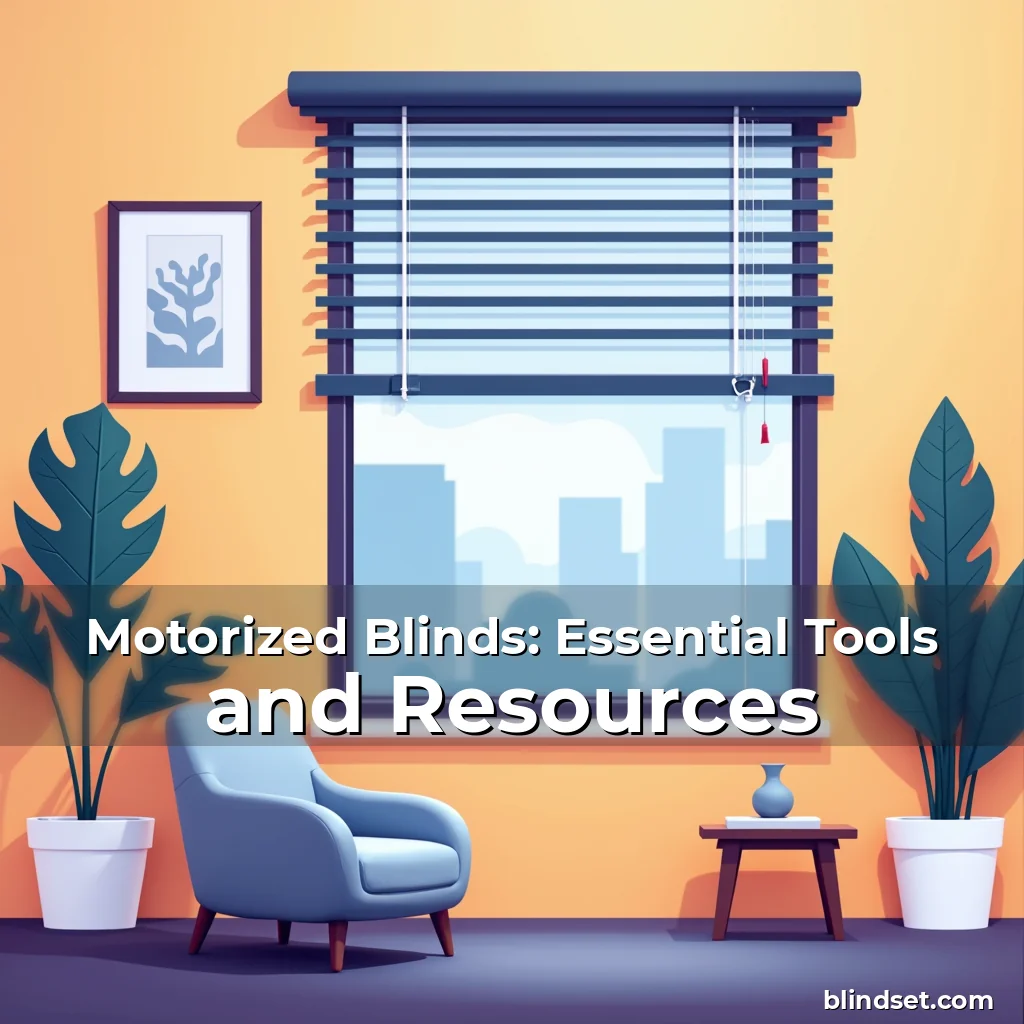
Motorized Blinds: Essential Tools and Resources
In an era where accessibility is paramount, motorized blinds are transforming homes into inclusive environments. These innovative solutions offer seamless control over light and privacy, making them indispensable for individuals navigating visual impairments.
The integration of smart technology into everyday household items has never been more critical. Motorized blinds exemplify this trend by providing hands-free operation that enhances independence and comfort for users of all abilities.
Understanding Motorized Blind Technology
Motorized blinds operate through integrated electric motors that respond to various activation methods. This advanced system replaces traditional manual controls with automated mechanisms designed for ease of access.
Modern systems utilize wireless communication protocols such as Zigbee, Wi-Fi, or Bluetooth to enable remote operation from smartphones or voice assistants. The flexibility of these connections ensures compatibility across different smart home ecosystems.
These devices typically feature rechargeable batteries or direct power sources, eliminating concerns about frequent replacements. Some models include backup mechanical options for emergency situations.
- Smartphone Control: Allows users to adjust blind positions remotely using dedicated apps
- Voice Activation: Integrates seamlessly with virtual assistants like Alexa or Google Assistant
- Schedule Automation: Enables programmed opening/closing times based on user preferences
Benefits for Individuals with Visual Impairments
For people living with visual impairments, motorized blinds provide unparalleled convenience and safety features. They eliminate the need to physically reach or touch potentially hazardous areas.
These systems can be configured to automatically adjust based on ambient light levels or time-of-day settings. Such automation reduces dependency on manual adjustments while maintaining optimal lighting conditions.
Many modern installations incorporate tactile feedback elements, allowing users to sense when blinds have reached their desired position. This adds another layer of confidence during daily routines.
Emergency alert features notify caregivers if there’s an unexpected change in blind positioning, offering peace of mind for both users and their support networks.
Installation Considerations and Professional Guidance
Selecting the right installation method depends largely on existing window structures and personal mobility needs. It’s crucial to consult professionals who specialize in accessible design principles.
Qualified installers understand how to adapt motorized systems to accommodate varying degrees of physical ability. Their expertise ensures safe and effective implementation tailored specifically to individual requirements.
During consultations, experts evaluate factors like window size, material type, and local climate conditions to recommend appropriate solutions. Customization plays a vital role in achieving functional outcomes.
A thorough site assessment helps identify potential obstacles before installation begins. Addressing issues proactively prevents complications later on.
Types of Motorized Blinds Available Today
The market offers several types of motorized blinds catering to diverse architectural styles and functionality demands. Vertical blinds remain popular choices due to their versatility in managing airflow and visibility.
Honeycomb shades provide excellent insulation properties alongside smooth motorized movement. Their layered construction contributes significantly to energy efficiency within any space.
Roller blinds represent another common option known for simplicity and cost-effectiveness. They’re particularly suitable for smaller windows requiring straightforward coverage solutions.
Depending on aesthetic preferences, homeowners might choose between fabric-based materials or more durable synthetic alternatives. Material selection impacts longevity and maintenance requirements.
Evaluating Smart Home Integration Capabilities
When selecting motorized blinds, assessing their compatibility with other smart home components becomes essential. Seamless interaction with lighting systems, thermostats, and security cameras enhances overall usability.
Some manufacturers develop proprietary platforms that allow centralized management of multiple devices. These ecosystems simplify interface navigation without compromising performance quality.
Third-party integrations expand possibilities further by enabling cross-platform connectivity among competing brands’ products. Users gain greater flexibility in building personalized smart environments.
Regular software updates ensure continued improvement in device interoperability standards. Staying informed about new developments maintains optimal system functionality over time.
Cost Analysis and Value Proposition
Investing in high-quality motorized blinds involves considering upfront costs versus long-term benefits they deliver. Initial expenses vary depending on chosen features and brand reputation.
While premium models may seem expensive initially, their durability often results in lower replacement frequencies compared to cheaper alternatives. Maintenance costs also tend to decrease over time.
Energy savings achieved through intelligent shading strategies contribute positively towards return-on-investment calculations. Reduced reliance on artificial lighting lowers electricity bills substantially.
Considering insurance incentives available for disability accommodations can offset some portion of initial expenditures. Exploring financial assistance programs proves beneficial for budget-conscious consumers.
Maintaining Optimal Performance Over Time
Proper upkeep extends lifespan expectancy while preserving operational reliability. Regular inspections help detect early signs of wear before significant damage occurs.
Cleaning procedures differ slightly according to material composition; following manufacturer guidelines minimizes risk of accidental harm during routine maintenance tasks.
Lubrication schedules depend upon usage frequency but generally require attention every few months under normal operating conditions.
Periodic firmware upgrades maintain current security protections against emerging cyber threats targeting connected devices. Keeping systems updated safeguards sensitive data transmissions.
Community Support Networks and Educational Resources
An active online presence fosters knowledge sharing among enthusiasts and professionals alike. Forums serve as invaluable hubs for troubleshooting common issues faced by end-users.
Workshops organized periodically introduce newcomers to basic installation techniques along with best practices regarding product care and optimization strategies.
Local chapters frequently host meetups where participants exchange experiences related to recent innovations impacting accessibility improvements within built environments.
Dedicated websites curate extensive libraries containing technical specifications, comparative analyses, and step-by-step guides covering all aspects relevant to motorized blind adoption processes.
Future Innovations Shaping Accessibility Solutions
Ongoing research focuses heavily on improving sensor accuracy used in automatic adjustment algorithms. Enhanced precision leads directly toward better environmental adaptation capabilities.
Newly developed AI-driven predictive models analyze behavioral patterns to anticipate preferred blind positions ahead of scheduled events occurring throughout daily life cycles.
Advancements in haptic feedback technologies promise richer sensory interactions during manual overrides, reinforcing intuitive understanding despite diminished visual cues.
Emerging biometric authentication methods aim at strengthening security measures protecting private spaces controlled via connected blind systems against unauthorized intrusions.
Conclusion
Motorized blinds represent a transformative advancement in creating universally accessible living spaces. By combining cutting-edge engineering with thoughtful ergonomic considerations, these solutions empower individuals regardless of visual acuity levels.
As technology continues evolving rapidly, staying engaged with ongoing developments remains key to maximizing benefits derived from motorized blind implementations. Embracing innovation ensures continuous enhancement of quality of life metrics associated with independent living arrangements.
“`
“`
Motorized Blinds: Essential Tools and Resources
In an era where accessibility is paramount, motorized blinds are transforming homes into inclusive environments. These innovative solutions offer seamless control over light and privacy, making them indispensable for individuals navigating visual impairments.
The integration of smart technology into everyday household items has never been more critical. Motorized blinds exemplify this trend by providing hands-free operation that enhances independence and comfort for users of all abilities.
Understanding Motorized Blind Technology
Motorized blinds operate through integrated electric motors that respond to various activation methods. This advanced system replaces traditional manual controls with automated mechanisms designed for ease of access.
Modern systems utilize wireless communication protocols such as Zigbee, Wi-Fi, or Bluetooth to enable remote operation from smartphones or voice assistants. The flexibility of these connections ensures compatibility across different smart home ecosystems.
These devices typically feature rechargeable batteries or direct power sources, eliminating concerns about frequent replacements. Some models include backup mechanical options for emergency situations.
- Smartphone Control: Allows users to adjust blind positions remotely using dedicated apps
- Voice Activation: Integrates seamlessly with virtual assistants like Alexa or Google Assistant
- Schedule Automation: Enables programmed opening/closing times based on user preferences
Benefits for Individuals with Visual Impairments
For people living with visual impairments, motorized blinds provide unparalleled convenience and safety features. They eliminate the need to physically reach or touch potentially hazardous areas.
These systems can be configured to automatically adjust based on ambient light levels or time-of-day settings. Such automation reduces dependency on manual adjustments while maintaining optimal lighting conditions.
Many modern installations incorporate tactile feedback elements, allowing users to sense when blinds have reached their desired position. This adds another layer of confidence during daily routines.
Emergency alert features notify caregivers if there’s an unexpected change in blind positioning, offering peace of mind for both users and their support networks.
Installation Considerations and Professional Guidance
Selecting the right installation method depends largely on existing window structures and personal mobility needs. It’s crucial to consult professionals who specialize in accessible design principles.
Qualified installers understand how to adapt motorized systems to accommodate varying degrees of physical ability. Their expertise ensures safe and effective implementation tailored specifically to individual requirements.
During consultations, experts evaluate factors like window size, material type, and local climate conditions to recommend appropriate solutions. Customization plays a vital role in achieving functional outcomes.
A thorough site assessment helps identify potential obstacles before installation begins. Addressing issues proactively prevents complications later on.
Types of Motorized Blinds Available Today
The market offers several types of motorized blinds catering to diverse architectural styles and functionality demands. Vertical blinds remain popular choices due to their versatility in managing airflow and visibility.
Honeycomb shades provide excellent insulation properties alongside smooth motorized movement. Their layered construction contributes significantly to energy efficiency within any space.
Roller blinds represent another common option known for simplicity and cost-effectiveness. They’re particularly suitable for smaller windows requiring straightforward coverage solutions.
Depending on aesthetic preferences, homeowners might choose between fabric-based materials or more durable synthetic alternatives. Material selection impacts longevity and maintenance requirements.
Evaluating Smart Home Integration Capabilities
When selecting motorized blinds, assessing their compatibility with other smart home components becomes essential. Seamless interaction with lighting systems, thermostats, and security cameras enhances overall usability.
Some manufacturers develop proprietary platforms that allow centralized management of multiple devices. These ecosystems simplify interface navigation without compromising performance quality.
Third-party integrations expand possibilities further by enabling cross-platform connectivity among competing brands’ products. Users gain greater flexibility in building personalized smart environments.
Regular software updates ensure continued improvement in device interoperability standards. Staying informed about new developments maintains optimal system functionality over time.
Cost Analysis and Value Proposition
Investing in high-quality motorized blinds involves considering upfront costs versus long-term benefits they deliver. Initial expenses vary depending on chosen features and brand reputation.
While premium models may seem expensive initially, their durability often results in lower replacement frequencies compared to cheaper alternatives. Maintenance costs also tend to decrease over time.
Energy savings achieved through intelligent shading strategies contribute positively towards return-on-investment calculations. Reduced reliance on artificial lighting lowers electricity bills substantially.
Considering insurance incentives available for disability accommodations can offset some portion of initial expenditures. Exploring financial assistance programs proves beneficial for budget-conscious consumers.
Maintaining Optimal Performance Over Time
Proper upkeep extends lifespan expectancy while preserving operational reliability. Regular inspections help detect early signs of wear before significant damage occurs.
Cleaning procedures differ slightly according to material composition; following manufacturer guidelines minimizes risk of accidental harm during routine maintenance tasks.
Lubrication schedules depend upon usage frequency but generally require attention every few months under normal operating conditions.
Periodic firmware upgrades maintain current security protections against emerging cyber threats targeting connected devices. Keeping systems updated safeguards sensitive data transmissions.
Community Support Networks and Educational Resources
An active online presence fosters knowledge sharing among enthusiasts and professionals alike. Forums serve as invaluable hubs for troubleshooting common issues faced by end-users.
Workshops organized periodically introduce newcomers to basic installation techniques along with best practices regarding product care and optimization strategies.
Local chapters frequently host meetups where participants exchange experiences related to recent innovations impacting accessibility improvements within built environments.
Dedicated websites curate extensive libraries containing technical specifications, comparative analyses, and step-by-step guides covering all aspects relevant to motorized blind adoption processes.
Future Innovations Shaping Accessibility Solutions
Ongoing research focuses heavily on improving sensor accuracy used in automatic adjustment algorithms. Enhanced precision leads directly toward better environmental adaptation capabilities.
Newly developed AI-driven predictive models analyze behavioral patterns to anticipate preferred blind positions ahead of scheduled events occurring throughout daily life cycles.
Advancements in haptic feedback technologies promise richer sensory interactions during manual overrides, reinforcing intuitive understanding despite diminished visual cues.
Emerging biometric authentication methods aim at strengthening security measures protecting private spaces controlled via connected blind systems against unauthorized intrusions.
Conclusion
Motorized blinds represent a transformative advancement in creating universally accessible living spaces. By combining cutting-edge engineering with thoughtful ergonomic considerations, these solutions empower individuals regardless of visual acuity levels.
As technology continues evolving rapidly, staying engaged with ongoing developments remains key to maximizing benefits derived from motorized blind implementations. Embracing innovation ensures continuous enhancement of quality of life metrics associated with independent living arrangements.
“`

news is a contributor at BlindSet. We are committed to providing well-researched, accurate, and valuable content to our readers.