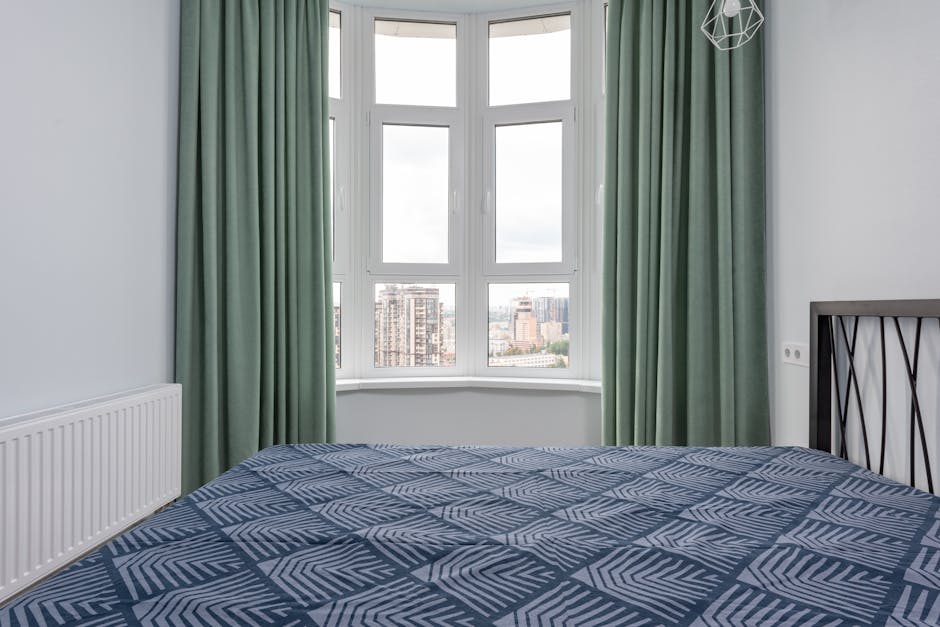
The Ultimate Window Covering Solution for Modern Homes: A BlindSet Perspective
In today’s modern homes, window coverings have evolved far beyond traditional curtains and blinds. As members of the BlindSet community, you understand that choosing the right covering solution is crucial for both functionality and aesthetics.
This comprehensive guide explores innovative options tailored specifically for homeowners seeking practical yet stylish solutions for their windows. From smart technology integration to eco-friendly materials, we’ll uncover how contemporary window treatments can transform your living space while meeting accessibility needs.
Understanding Your Window Covering Needs
Before selecting any window covering system, it’s essential to evaluate your specific requirements. Consider factors such as light control, privacy levels, insulation properties, and ease of operation when making your decision.
Different rooms in your home will require different types of coverings. Bathrooms need moisture-resistant options, while bedrooms benefit from blackout features for better sleep quality. Living areas may prioritize aesthetic appeal over complete darkness.
Kitchens often require easy-to-clean surfaces due to frequent food preparation activities. This makes vinyl or wipeable fabric choices particularly suitable for these spaces. Commercial settings also demand specialized coverings designed for high traffic environments.
Types of Contemporary Window Coverings
Modern window treatment options offer a wide range of choices that balance form and function. Smart motorized shades represent one cutting-edge innovation allowing remote control through smartphone apps or voice assistants.
These intelligent systems integrate seamlessly with home automation platforms like Alexa or Google Home. They provide precise light control by adjusting opacity levels according to natural daylight changes throughout the day.
Additionally, solar shades are gaining popularity among environmentally conscious consumers. These UV-filtering panels protect furnishings from sun damage while maintaining indoor brightness without harsh glare.
- Solar Shades: Offer superior protection against harmful UV rays while maintaining visibility outdoors
- Motorized Blinds: Enable hands-free operation using programmable timers or motion sensors
- Eco-Friendly Fabrics: Made from recycled materials that reduce environmental impact without compromising durability
Accessibility Features in Modern Coverings
For individuals with mobility challenges, accessible window coverings make a significant difference in daily life. Lift-assisted mechanisms allow users to operate heavy coverings with minimal effort.
Some advanced systems include automatic open/close functions triggered by proximity sensors detecting movement near the window area. Voice-controlled options provide another convenient alternative for those who prefer hands-free adjustments.
Touchscreen controls mounted at eye level ensure optimal reachability for wheelchair users. Customizable height settings accommodate various seating positions within the room.
Recent studies show that homes equipped with accessible coverings report higher satisfaction rates among occupants with disabilities. The American Association of People with Disabilities reports an average increase of 45% in perceived independence after installing adaptive systems.
Energy Efficiency Benefits of Advanced Coverings
Smart window coverings contribute significantly to energy conservation efforts. Motorized shades can be programmed to close during peak sunlight hours, reducing cooling costs in summer months.
In winter, adjustable thermal insulating blinds help retain heat inside the house rather than letting it escape through glass panes. Some models even feature double-layered constructions with air pockets acting as natural insulation barriers.
According to Energy Star certifications, properly installed smart coverings can lead to up to 25% reduction in heating and cooling expenses annually. This makes them one of the most cost-effective upgrades for improving home efficiency.
Many new residential developments now incorporate automated shading systems as standard features. Builders recognize the long-term savings associated with reduced HVAC usage when combined with efficient coverings.
Design Trends Shaping Modern Window Treatments
Current design trends emphasize seamless integration between window coverings and interior decor schemes. Neutral tones continue dominating popular color palettes but are frequently enhanced with subtle pattern accents.
Textured fabrics add depth to minimalist interiors without overwhelming visual elements. Metallic finishes create dramatic focal points especially effective in entryways and dining areas.
Customization has become increasingly sophisticated with options ranging from custom cut patterns to digitally printed designs mimicking works of art. Many manufacturers now offer samples before final installation ensuring perfect match with existing décor.
Trends indicate growing preference towards clean lines and unobtrusive profiles. Slim-profile roller shades and retractable awnings are becoming standard fixtures in modern architecture.
Installation Considerations for Optimal Performance
Proper installation ensures maximum effectiveness of any window covering system. Professional installers assess each window type to determine best mounting methods whether it be top-down/bottom-up configurations or side-mount setups.
Measurements must account for potential expansion/contraction caused by temperature fluctuations. Using premium hardware prevents sagging issues common with poorly installed heavier coverings.
Mounting brackets should be securely fastened to wall studs whenever possible rather than relying solely on drywall anchors which may fail under stress. Regular maintenance checks prevent premature wear and tear.
When replacing old coverings, remove existing tracks completely to avoid compatibility issues with newer systems. Always follow manufacturer guidelines regarding recommended spacing between mounting points.
Maintenance Tips for Longevity
Prolonging the lifespan of your window coverings requires regular upkeep routines. Dust accumulation affects performance especially noticeable in motorized units where buildup can interfere with sensor readings.
Clean removable components regularly using mild soap solutions avoiding abrasive cleaners that might degrade delicate materials. For fixed parts, microfiber cloths work well for dust removal without leaving residue behind.
Lubricate moving parts every six months following manufacturer recommendations. Check tension springs periodically to maintain smooth operation without excessive strain on mechanical components.
Avoid exposing coverings directly to intense sunlight prolonged periods which could cause fading or warping effects over time. Rotate directional faces seasonally to distribute exposure evenly across surface areas.
Cost Analysis and Value Proposition
Investing in quality window coverings offers substantial return on investment through increased comfort and decreased utility bills. Initial costs vary depending on chosen materials, size requirements, and added technological features.
Basic manual blinds typically start around $20-$50 per linear foot whereas motorized versions begin at approximately $80-$150 per linear foot. High-end smart systems incorporating AI learning capabilities can exceed $300 per linear foot.
Despite upfront expenditures, energy savings usually offset initial investments within two years. According to Consumer Reports, households saving an average of $125 annually on climate control expenses see full payback within 16 months.
Resale value considerations reveal that upgraded coverings enhance property attractiveness leading to quicker sales and potentially higher selling prices. Real estate agents note improved buyer interest when homes showcase updated treatment solutions.
Future Innovations in Window Covering Technology
Ongoing research promises exciting advancements shaping tomorrow’s window covering landscape. Self-cleaning nanotechnology coatings repel dirt naturally minimizing maintenance demands while keeping surfaces pristine longer.
Integration with renewable energy sources represents another promising development direction. Photovoltaic film applied directly onto shade surfaces generates electricity while providing shading benefits simultaneously.
Adaptive intelligence systems learn occupant behavior patterns automatically adjusting opacities based on established preferences without requiring user input each time.
Advances in material science suggest lighter weight alternatives offering same strength characteristics enabling easier handling for elderly populations or individuals recovering from injuries.
Conclusion
Choosing the right window covering solution involves careful consideration of numerous factors including personal lifestyle needs, architectural specifications, and budget constraints.
By understanding available options and their respective advantages, homeowners can select treatments that perfectly align with individual priorities while enhancing overall living experiences through improved comfort and convenience.
“`

news is a contributor at BlindSet. We are committed to providing well-researched, accurate, and valuable content to our readers.