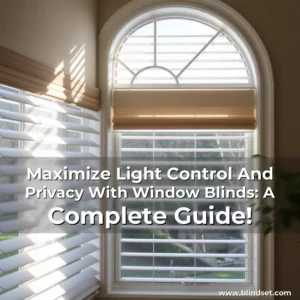
The Ultimate Window Blind Buying Guide: Choosing the Perfect Fit for Your Home
In today’s modern homes, window blinds are far more than simple window coverings. They serve as functional elements that enhance privacy, control light levels, and add style to any room.
With so many options available, from traditional venetian blinds to contemporary motorized shades, selecting the right type can feel overwhelming. This guide will walk you through everything you need to know to make an informed decision.
Understanding Different Types of Window Blinds
Before making a purchase, it’s crucial to understand the various types of window blinds available on the market. Each option offers different benefits depending on your needs and preferences.
Venetian blinds remain one of the most popular choices due to their classic appearance and ease of use. These blinds feature horizontal slats made from materials like wood, aluminum, or faux wood.
Fabric shades provide a soft, elegant look while offering excellent insulation properties. They come in a wide range of colors and patterns to match virtually any interior design scheme.
- Vinyl blinds: Durable and easy to clean, these are ideal for high-moisture areas like bathrooms and kitchens.
- Pleated shades: Known for their energy efficiency, they reduce heat transfer by up to 45% compared to standard curtains.
- Honeycomb shades: The double-cell structure provides superior insulation, reducing heating costs during colder months.
- Motorized blinds: Offer convenience through remote control operation and smart home integration capabilities.
Glass shades might seem counterintuitive at first glance, but they actually allow natural light to filter through while maintaining privacy. Their translucent nature makes them perfect for spaces where visibility is desired without compromising security.
Measuring Windows Accurately for Blinds
Proper measurement is essential when purchasing window blinds to ensure a perfect fit. Incorrect measurements often lead to gaps between the blinds and the window frame, which compromise functionality.
To measure your windows accurately, start by determining the width of the window opening. Take three separate measurements across the top, middle, and bottom of the window track.
For height, measure from the top of the window frame down to where you want the blinds to stop. Consider whether you prefer them to reach the floor or stop above it for easier access.
It’s recommended to take notes rather than relying solely on memory. This helps prevent errors when ordering online or speaking with sales representatives.
Tips for Measuring Sliding Doors
Sliding doors require special consideration since they have different dimensions than regular windows. Measure both the width of each panel separately and the total length of the door system.
Note how much overlap occurs between panels when closed. Most sliding doors have built-in overlaps ranging from 4 to 6 inches to ensure secure closure.
When measuring for blinds over sliding doors, account for the entire width including the overlapping portion. Failure to do so may result in insufficient coverage or improper installation.
Material Selection Based on Room Functionality
Selecting the right material depends largely on the intended use of the space. Certain rooms demand durability and moisture resistance, while others prioritize aesthetics and light control.
Kitchens and bathrooms benefit greatly from vinyl or aluminum blinds that resist humidity and steam. These materials maintain their shape even after prolonged exposure to water vapor.
Living rooms and bedrooms typically favor fabric or wooden blinds that complement interior decor. However, it’s worth noting that real wood requires periodic maintenance to preserve its condition.
Motorized systems work well in any room but are particularly useful in hard-to-reach locations such as high ceilings or second-story windows.
Evaluating Light Control Features
Light control is one of the primary functions of window blinds. Understanding how different mechanisms affect light transmission can help you choose the best option for your needs.
Traditional Venetian blinds offer precise tilt adjustments, allowing users to fine-tune sunlight entering the room. This feature is especially beneficial for reading areas or workspaces near windows.
Roller shades provide uniform light diffusion through a single layer of fabric or plastic. While less adjustable than other options, they excel at filtering harsh daylight evenly across surfaces.
Blackout shades create complete darkness by blocking out nearly all external light sources. They’re ideal for media rooms, nurseries, and bedrooms seeking uninterrupted sleep.
Pleated shades strike a balance between light control and insulation performance. Their pleated folds help regulate temperature while still permitting some natural illumination.
Considering Privacy Needs
Privacy considerations play a significant role in choosing appropriate window treatments. Some solutions offer full opacity, while others provide partial transparency based on lighting conditions.
Room-darkening shades block approximately 95% of outside light, creating a private environment within enclosed spaces. They’re commonly used in hotel rooms and executive offices.
Bamboo shades offer a semi-transparent effect that allows visibility from inside outward but prevents outsiders from seeing in clearly. This makes them suitable for ground-floor apartments or commercial buildings.
Diffusion films applied over clear glass shades scatter incoming light before it enters the room, enhancing visual comfort without sacrificing privacy completely.
Smart glass technology represents the future of privacy solutions. It enables instant switching between transparent and opaque states using electrical current or thermal sensors.
Determining Budget Constraints
Your budget significantly influences the type of blinds you’ll ultimately select. Entry-level products usually cost around $10-$30 per linear foot, whereas premium models can exceed $100 per linear foot.
Basic vinyl or faux wood blinds tend to be the most affordable options. These materials mimic the appearance of higher-end alternatives without requiring extensive upkeep.
Custom-made blinds generally carry higher price tags because they involve tailored manufacturing processes. Expect to pay extra for specialty shapes or non-standard sizes.
Motorization adds another dimension to pricing calculations. Basic remote-controlled units begin at roughly $200, while fully integrated smart home systems may approach $800+
Installation Methods and DIY Options
Most window blinds come with either surface-mounted brackets or recessed mounting options designed specifically for particular window types.
Surface mounts attach directly onto the wall surrounding the window. This method works best for smaller openings where depth isn’t an issue.
Recessed installations require cutting into drywall to accommodate the headrail of the blind. Professional assistance is strongly advised unless you possess advanced carpentry skills.
Casement windows necessitate custom brackets that align properly with the angled sides of the window. Always verify compatibility before proceeding with installation.
Choosing Between Manual vs Motorized Systems
The choice between manual and automated systems depends primarily on personal preference and lifestyle factors. Both approaches have distinct advantages and limitations.
Manual controls offer simplicity and reliability without needing electricity or batteries. Traditional pull cords or wand operators enable smooth adjustment at any time.
Motorized versions provide hands-free operation via remotes or smartphone apps. They integrate seamlessly with voice assistants like Alexa or Google Assistant for added convenience.
While initially more expensive, motorized systems save money long-term by eliminating potential repair costs associated with cordless mechanisms.
Comparing Energy Efficiency Ratings
Energy-efficient blinds contribute substantially toward reducing utility bills by minimizing heat loss during winter and preventing excessive cooling demands in summer.
Honeycomb shades achieve exceptional insulating properties thanks to their multi-layered cellular construction. Studies show they can cut heating expenses by up to 40% annually.
Thermal roller shades incorporate reflective coatings that bounce back radiant heat away from interiors. This feature enhances overall building envelope performance significantly.
Double-pane insulated glass combined with blackout shades creates an ultra-effective barrier against extreme weather conditions. Such combinations prove invaluable in climate zones experiencing severe temperature fluctuations.
Some manufacturers now produce eco-friendly blinds utilizing recycled materials or low-VOC finishes. These sustainable options support green living initiatives without compromising quality standards.
Reviewing Warranty Coverage Details
A solid warranty ensures peace of mind regarding product longevity and manufacturer responsibility towards defects or malfunctions.
Standard warranties typically last between five to ten years covering mechanical failures excluding normal wear-and-tear items like springs or tapes.
Extended protection plans often include accidental damage coverage for an additional fee. These policies reimburse replacements under specified terms outlined in contract agreements.
Always read through documentation carefully before signing anything binding legally. Be aware of exclusions related to misuse or improper installation practices.
Consulting Professionals Before Finalizing Purchases
Seeking expert advice proves advantageous when unsure about optimal selections matching individual requirements precisely.
Professional consultants assess spatial dynamics considering factors such as ceiling heights, architectural features, and existing décor styles holistically.
They also recommend suitable materials accounting for environmental variables like humidity levels prevalent in certain geographic regions.
Trained personnel conduct accurate measurements ensuring correct specifications meet exact dimensional parameters required for flawless fitting outcomes.
Installation Tips for Optimal Performance
Following proper installation procedures guarantees maximum effectiveness from newly acquired window treatment solutions.
Ensure walls are clean and free of debris prior to attaching mounting hardware securely fastened according to manufacturer guidelines strictly.
Use level tools consistently throughout process verifying alignment accuracy horizontally as well vertically where applicable.
Test operating mechanisms thoroughly post-installation identifying any snagging issues promptly resolved before routine usage commences regularly.
Regular Maintenance Practices
Maintaining cleanliness preserves aesthetic appeal prolongs lifespan considerably increasing return-on-investment ratios appreciably over extended periods.
Wipe dust accumulation periodically employing microfiber cloths dampened lightly avoiding direct contact causing warping damages susceptible components.
Inspect moving parts routinely checking tension levels adjusting accordingly preventing premature deterioration accelerated by frictional forces exerted constantly overtime.
For deeper cleaning sessions disassemble removable sections following provided instructions carefully reassembling meticulously afterward restoring original configuration correctly.
Upgrading Existing Window Coverings
Renovating outdated window treatments presents opportunity refreshing interior spaces economically efficiently maximizing visual impact effectively.
Assess current condition evaluating structural integrity determining whether repairs feasible or replacement necessary realistically based upon age plus frequency utilization experienced thus far.
Consider upgrading to newer technologies incorporating smart home integrations enhancing usability exponentially improving daily routines noticeably.
Measure existing frames accurately comparing against new dimensions confirming compatibility ensuring seamless transition occurring smoothly without complications arising unexpectedly later on.
Environmental Impact Assessment
Evaluating ecological footprint associated production transportation disposal phases becomes increasingly vital environmentally conscious consumers aiming minimize negative effects planet sustainably.
Products crafted locally reduce carbon emissions linked shipping logistics promoting regional economic development simultaneously decreasing environmental degradation caused global distribution networks.
Recyclable components facilitate end-of-life management diminishing landfill contributions supporting circular economy principles actively pursued progressive industries globally.
Non-toxic finishes safeguard indoor air quality protecting occupants health particularly vulnerable populations residing sensitive environments demanding strict chemical regulations enforced rigorously consistently.
Exploring Smart Home Integration Possibilities
Integrating window blinds into smart home ecosystems transforms passive window treatments active participants contributing dynamically managing ambient conditions autonomously.
IoT-enabled devices respond automatically responding changes detected sensors adjusting positions optimally balancing daylight intake temperature regulation achieving desired comfort levels effortlessly.
Mobile applications grant remote accessibility enabling modifications executed anytime anywhere regardless physical proximity location facilitating flexible lifestyles adapting continuously evolving circumstances conveniently.
Compatibility checks confirm interoperability among diverse platforms guaranteeing harmonious functioning eliminating technical conflicts disrupting user experience negatively impacting satisfaction rates adversely.
Design Trends Influencing Contemporary Choices
Current design movements heavily influence consumer decisions shaping preferences guiding selection criteria consciously reflecting prevailing aesthetics dominating present-day interiors.
Minimalist approaches emphasize sleek profiles streamlined silhouettes prioritizing function over form achieving balanced proportions fostering serene atmospheres conducive relaxation productivity alike.
Textured fabrics introduce tactile elements enriching sensory experiences adding depth complexity otherwise lacking flat surfaces limiting expressive potential inherently restrictive creatively.
Geometric patterns emerge prominently reinforcing modern sensibilities structured arrangements demonstrating mathematical precision visually stimulating observers sparking curiosity intrigue naturally.
Future Innovations Shaping Industry Evolution
Ongoing research breakthroughs anticipate transformative advancements revolutionizing conventional window blind paradigms reshaping expectations possibilities dramatically altering industry landscape fundamentally.
Nanotechnology applications promise self-cleaning surfaces repelling contaminants naturally preserving pristine appearances indefinitely reducing maintenance efforts required traditionally burdensome labor-intensive tasks previously unavoidable.
Photovoltaic cells embedded within materials generate renewable energy converting solar radiation usable power stored batteries powering auxiliary devices independently disconnecting reliance grid infrastructure entirely.
Adaptive shading systems adjust dynamically reacting environmental stimuli autonomously optimizing internal climates efficiently conserving resources significantly lowering operational expenditures substantially benefiting homeowners financially.
Community Resources and Support Networks
Engaging with fellow enthusiasts expands knowledge base acquiring insider tips gaining confidence navigating complexities confidently embracing challenges enthusiastically sharing experiences mutually.
Online forums foster collaborative problem-solving exchanging ideas troubleshooting common issues collectively advancing understanding progressively deepening expertise continually refining competencies gradually attaining mastery levels progressively.
Local workshops provide hands-on learning opportunities mastering practical techniques developing skill sets applicable real-world scenarios effectively translating theoretical concepts tangible results successfully.
Manufacturer websites host comprehensive FAQs addressing typical concerns clarifying doubts resolving confusion efficiently saving time effort invested unnecessarily elsewhere potentially.
Conclusion
Choosing the right window blinds involves careful consideration of numerous factors including type, size, material, and functionality. By evaluating these aspects thoughtfully, you can find the perfect solution that meets your needs and enhances your living space.
Remember, investing in quality window blinds not only improves comfort and aesthetics but also contributes to energy savings and increased property value. With the information provided, you’re now equipped to make an informed decision that suits your lifestyle and preferences perfectly.